




Feldman Chrysler Dodge Jeep Ram Woodhaven

Blog / Blog

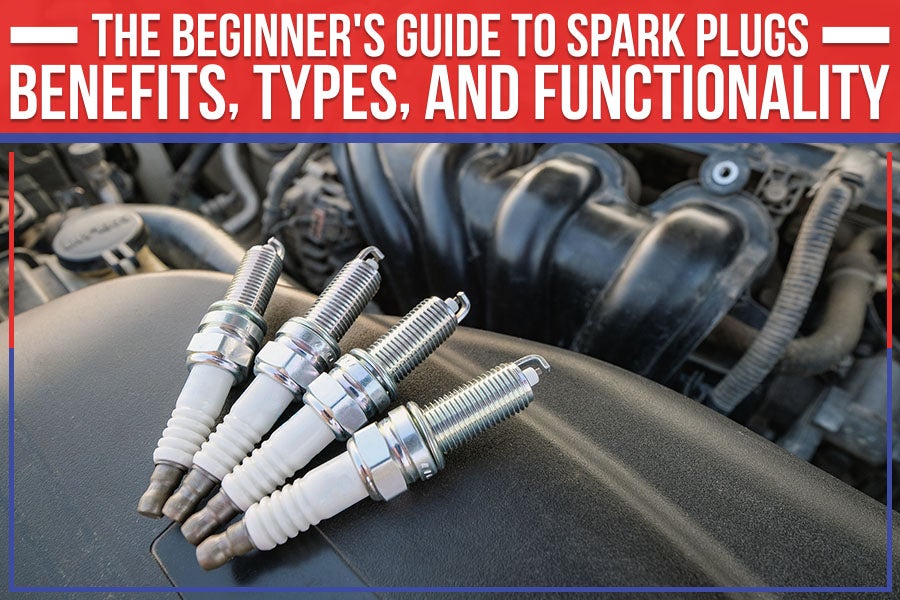
The Beginner's Guide To Spark Plugs: Benefits, Types, And Functionality

The Beginner's Guide To Spark Plugs: Benefits, Types, And Functionality

When most people think about spark plugs, they don't give them much thought. But if you're a car owner or are in the market for a CDJR, you should know that you can improve your engine performance and overall driving experience by knowing how to change and maintain your spark plugs.

This brief beginner's guide will cover everything you need to know – from the benefits of changing your plugs regularly to the different types available on the market today. So, whether you're a novice driver or a seasoned mechanic, read on for the basic info about spark plugs.

The Importance of Spark Plugs

Your car's is a complex machine that needs different parts working in tandem to function correctly. Spark plugs are an essential component, as they're responsible for igniting the air/fuel mixture in the cylinders. Over time, however, spark plugs become fouled or damaged, which negatively impacts engine performance.

Signs You're Spark Plugs Are Damaged

If your vehicle experiences the following issues, it's likely due to damaged or fouled spark plugs:

  • Reduced fuel economy
  • Poor acceleration
  • Engine misfires
  • Rough idling

How Often Should Car Owners Replace Spark Plugs?

It would help if you replaced your spark plugs every 40,000 to 60,000 miles, depending on your vehicle and driving habits.

Benefits of Replacing Your Spark Plugs On Time

There are several benefits to replacing your spark plugs regularly, including:

  • Improved fuel economy
  • Reduced emissions
  • Smoother engine operation
  • More power and torque

What Damages Spark Plugs?

Many factors wreak havoc on spark plugs, including:

  • Engine oil contamination
  • Carbon deposits
  • Fuel additives
  • Lead deposits

Spark Plug Maintenance Guide

To avoid damage to spark plugs, it's essential to follow a few simple maintenance tips, including:

  • Use the correct grade and type of oil for your vehicle
  • Change your oil regularly
  • Avoid using lead gasoline
  • Don't use fuel additives unless they're specifically approved for your vehicle.

How to Clean Spark Plugs?

There are a few ways you can clean your spark plugs, including:

  • Use a professional cleaning service
  • Remove the plugs and clean them yourself
  • Use an aerosolized engine cleaner

DIY spark plugs cleaning -

If you decide to clean your spark plugs yourself, follow these steps:

  • Remove the spark plug from the engine
  • Clean the porcelain part of the plug with a wire brush
  • Clean the metal threads with a thread chaser or tap
  • Coat the threads with an anti-seize compound
  • Install the plug and tighten it to the manufacturer’s specifications

Consult professionals at Feldman CDJR of Woodhaven, serving Southgate, MI, to learn more about spark plugs and their benefits. Our experienced auto professionals offer a range of vehicle maintenance and repair services, including spark plug maintenance, inspection, and repair.

Schedule a service with our team today, and give your vehicle the boost it deserves.
Posted in:

Related Posts

5 Common Car Noises And How To Fix Them

5 Common Car Noises And How To Fix Them

Key Takeaways: If your car makes weird noises, it may be an indication of a bigger problem. You can fix most of these problems yourself with a little knowledge and the right tools. However, some car problems are more serious and require the help of a professional mechanic. Feldman CDJR is a trusted dealership that can help you with all your car needs. Schedule your service to keep your car in tip-top condition. When your car has a problem, the first indication of it will be an unfamiliar sound that you hear while driving. These sounds can be difficult to describe, but if you pay close attention, you can identify the source of the noise. This is how your car communicates with you and indicates something is wrong. To help you out, we've compiled a list of common car noises and what they could mean. With this knowledge, you'll be able to diagnose the issue better and get your car back to running smoothly. 1. Grinding or Squeaking When Braking A grinding or squeaking car noise when you brake indicates that your brake pads are wearing thin and need to be replaced. The pads create the friction necessary to stop your car, so taking care of this issue as soon as possible is important. Several issues can cause this, but the most likely culprit is worn-out brake pads. When your brake pads wear down, they can begin to make a noise as they rub against the rotors. Please don't attempt to fix it at home; take your car to a professional mechanic! 2. Rattling Under the Hood Rattling car noise from under the hood indicates something is loose. A heat shield or other component is not securely attached and must be fixed. 3. Hissing Your car produces a hissing sound when there's likely a leak in your car's cooling system. This could be a coolant hose or some other component that has developed a leak. It's not an easy fix and requires assistance from a professional mechanic. Related: How to tell if your car radiator needs to be fixed 4. Whining or Humming While Accelerating Suppose you hear a whining or humming noise when you accelerate. In that case, it could indicate that your car's engine is not getting enough power. Several issues can cause this, but the most likely culprit is a problem with your fuel system. If your car's fuel system is not working properly, it can cause a loss of power and an accompanying car noise. 5. Clicking When Turning the Steering Wheel If you happen to hear a clicking sound when you turn the steering wheel, it could indicate that your car's power steering system is not working properly. There’s likely a problem with the power steering pump. If the power steering pump is not working properly, it can cause a loss of power and an accompanying noise. A clicking noise while turning could also indicate that your CV joint is damaged. The CV (constant velocity) joint allows the axle to move up and down as the suspension compresses. A clicking noise when turning is often caused by a damaged CV joint, which will need to be replaced. Some Car Noises You Can Fix Yourself There are a variety of strange and sometimes worrying noises that your car can make. However, many of these sounds are fairly harmless and can be easily fixed with a little DIY know-how. If your car makes a clicking noise when you turn the wheel, you likely just need to add more power steering fluid. Suppose you hear a rattling noise when you're driving over bumps. In that case, it's probably due to loose change or other small objects rolling around in your console or glove compartment. If your car begins to make strange sounds after you've been driving for a while, it's likely that the muffler has become clogged with debris and needs to be cleaned out. So next time your car starts making weird noises, don't panic. Chances are good that you can fix the problem yourself without having to call a professional mechanic. What’s the Reason Behind Car Vibrations? Have you ever wondered why your car vibrates when you drive it? There are a few different reasons why this happens, but the most likely explanation is that your tires are out of alignment. When tires are out of alignment, they don't make contact with the road surface uniformly. This results in friction, which causes the tires to heat up and eventually vibrate. If you're noticing that your car is vibrating more than usual, it's time to check your tires. Ignoring the problem will only worsen, and it could lead to premature tire wear. So next time you're on the road, pay attention to any vibrations from your car. If you feel them, it's time to get your wheels aligned! Related reading: Ten Reasons Why Your Car Is Vibrating! Prevent the Noises Before They Happen! It can be pretty worrying when your car starts making weird noises. However, there are some maintenance tasks that you can do to help keep your car running smoothly. Ensure to check the oil level regularly. If the oil is too low, it can cause the engine to overheat, leading to many problems. Second, keep an eye on the tire pressure and tread depth. If the tires are bald or inflating unevenly, it can lead to a blowout or loss of control while driving. Finally, have the brakes checked regularly. Brakes are critical safety features on a car; if they're not working properly, it could be disastrous. By following these simple tips, you can help keep your car running smoothly and avoid costly repairs down the road. Is Your Car Feeling a Little Under the Weather? Cars need regular checkups and maintenance to run their best. That’s why at Feldman CDJR of Woodhaven serving Dearborn, MI, a team of certified professional mechanics is here for you. Our team will do its best to get your car back up and running like new. We know how important it is for you to be able to rely on your vehicle, so we work hard to make sure the job is done right and done quickly. Schedule a service with Feldman CDJR today!

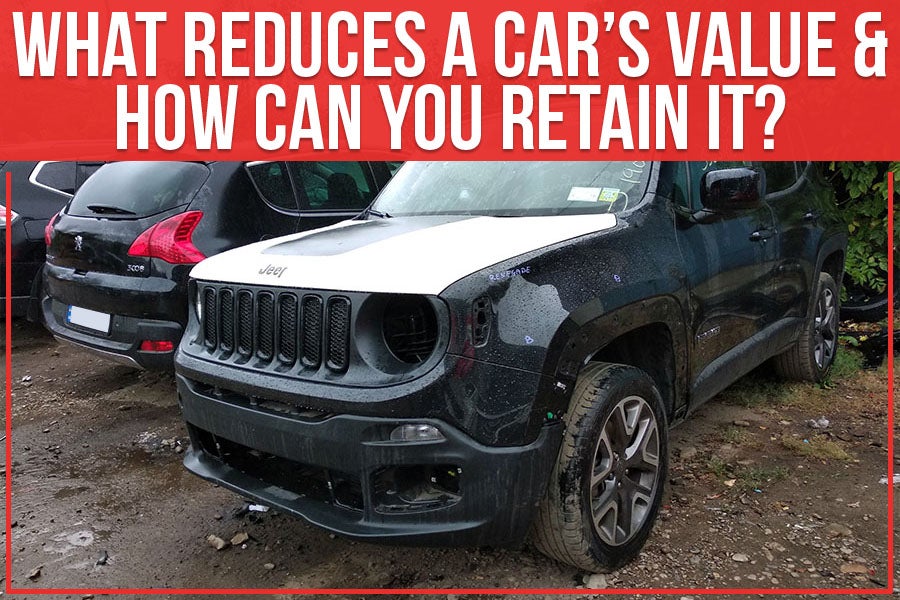
What Reduces A Car’s Value & How Can You Retain It?

What Reduces A Car’s Value & How Can You Retain It?

Key Takeaways: Cars depreciate as they age, but you can slow down the depreciation process. Proper maintenance keeps your car’s value from dropping as much as it would otherwise. Modifications, such as engine upgrades and a paint job, can hurt your car's value. Window tinting may keep your car cool and protect the upholstery, but it will also diminish the value of your vehicle. Dents, scratches, and rust can diminish your car's worth. Parking in a covered parking lot whenever possible will help protect your car from the elements and further damage. Ensure routine servicing and maintenance to retain its value. Wash and wax your car regularly to protect the paint job and keep the exterior looking shiny and new. Cars depreciate as they age. But you can slow down this process and keep your car’s value from dropping as much as it would otherwise. This post will explore several things that reduce a car’s value and, more importantly, how you can retain your car's value. We will also discuss tips for keeping your car looking and running like new for as long as possible! How to Reduce a Car's Value Numerous things can speed up the depreciation process of your car. Here are some of them: Accidents Even a fender bender can reduce your car's worth. And if the accident is more serious, the value of your car will drop even more. Insurance companies also take accidents into account when they determine how much to pay out for claims. Accidents not only reduce your car's value but can also increase your insurance rates. Accidents are considered to be a high-risk activity by insurance companies. So, if you want to keep your car’s value high and your insurance rates low, it is best to avoid accidents. Aftermarket Modifications If you have made modifications to your car, such as a new paint job or an engine upgrade, this can also reduce the value of your car. These modifications can be expensive to undo, so potential buyers may not be willing to pay as much for a car that has been modified. Another thing you must avoid is window tinting. Window tint can be a great way to keep your car cool in the summer and protect your upholstery from fading, but it can also diminish your car's worth. Small Dents and Rust Spots Dents, scratches, and rust spots are inevitable over time, but they can also take away a big chunk of your car's value. These imperfections can be expensive to repair, making your car look less visually appealing. If you want to keep your car's value high, it is important to regularly inspect it for any small dents or rust spots and have them repaired as soon as possible. Park in a garage or covered parking lot whenever possible to avoid small dents and rust spots. This will shield your vehicle from the elements and reduce the chances of it getting damaged by debris. Lack of Maintenance (or No Maintenance Records) This is especially true for luxury cars. If you own a luxury car, keeping all routine maintenance and repairs records is imperative. This will show potential buyers that you have taken good care of the car and that it has been regularly serviced. If you don't have routine maintenance records, it will be hard to prove that you have taken good care of the car. This can lead to a lower offer from a potential buyer. So, save your maintenance records if you want to retain your car's value. High Mileage A car with high mileage has been driven a lot and is likely to need more repairs. This can make potential buyers wary of buying the car, as they will be concerned about its longevity. So, keep the mileage low if you want to retain your car's value. To do this, use your car less often. If you have a second vehicle, use it for errands and short trips instead of your primary car. This will help keep the mileage low on your primary car, which will, in turn, help retain its value. Check out our blog post about how to tell if it's time for a new car. How to Retain Your Car's Value Ensure Regular Servicing and Maintenance Ensure that your vehicle receives regular servicing and maintenance according to the manufacturer's schedule. It means keeping up with oil changes, tune-ups, and other scheduled appointments. It will keep your vehicle in optimum condition and help you avoid costly repairs. Wash and Wax It Regularly To ensure that your car shines, wash and wax it regularly. This will help protect the paint job and keep the exterior looking shiny and new. It's important to be gentle with your car's finish and avoid using harsh chemicals or abrasives. Also, clean the interior of your car frequently. This will help keep it tidy and prevent the build-up of dirt and debris that can damage the upholstery or carpeting. Vacuum the floors and seats - wipe down all the hard surfaces with a soft, damp cloth. Take Care of Your Tires Tires provide traction and stability and play a big role in fuel economy. So, it's imperative to care for them and ensure they are always properly inflated. Check the air pressure regularly, and don't forget to rotate them every few months. This will help to distribute wear evenly and prevent any premature balding or damage. Investing in high-quality tires designed to last is also a good idea. They may be pricey upfront, but they'll save you money in the long run by eliminating the need for frequent replacements. Keep Your Paint Job in Tip-Top Shape Your car's paint job is the first thing people notice, so it's important to keep it looking its best. It means washing and waxing regularly and taking care of any chips or scratches as soon as they happen. By taking good care of your paint job, you'll help retain your car's value and keep your car looking like new for years. It's also important to safeguard your car from the elements. Ensure to wash off any salt or dirt that could damage the paint job as soon as possible. Also, park in covered or garage parking to avoid sun damage, bird droppings, and other hazards. Conclusion Regular maintenance, protection from the elements, and taking care of any damage as soon as it happens will allow you to preserve your car's worth. With good care, you'll be able to enjoy your ride for years and even get a good return on your investment if you decide to sell. Feldman CDJR of Woodhaven, serving Taylor, MI, is a reputable dealership that stocks premium new Chrysler cars. We have a great reputation for providing excellent customer service. Our dealership is also known for our competitive prices and our convenient location. Visit us today!

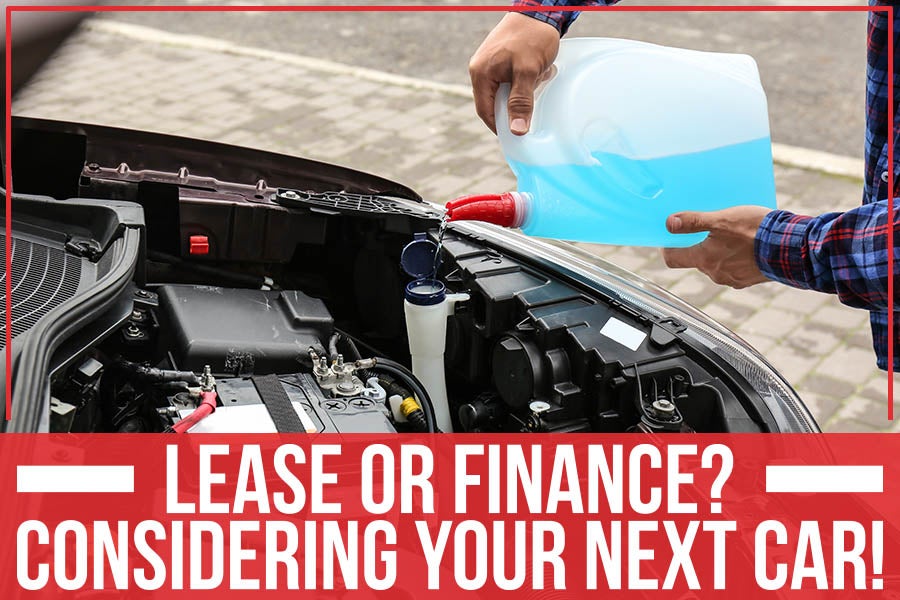
Lease Or Finance? Considering Your Next Car!

Lease Or Finance? Considering Your Next Car!

Key Takeaways: Leasing vs. financing a car is a big decision. Consider your needs and budget before making a decision. Talk to your financial consultant if you're unsure which option is best for you. Feldman CDJR of Woodhaven, serving Detroit, MI, can help you figure out which option is best for you! So, you're hunting in the market for a new car. Congrats! It's an exciting purchase, but it can also be daunting, especially if you don't know where to start. Should you lease your car or finance it? What are the benefits of each option? How do you know which is right for you? Don’t worry – Feldman CDJR of Woodhaven will help break it down for you. Below, we explain the key differences between leasing and financing and give you a few tips on determining which option is ideal for your needs. Keep reading to learn more! Car Financing: All You Need to Know Alright, let’s start with financing your car. Auto finance has been the choice for most car owners in the United States for years. Let's explore what it entails: What Is Car Financing? When you finance your car, you're essentially taking out a loan to cover the cost of the vehicle. You'll make monthly expenses on the loan until it's paid off, at which point the car will be yours. There're a few different types of loans you can take out to finance your car. The most common is an auto loan, a personal loan used to finance a car purchase. You can also finance your car through a dealer by taking out an auto loan from them or using a home equity line of credit (HELOC). What Benefits Do I Get If I Go with Car Financing? There're a few things to consider when deciding whether car financing is the best option for you. One of the most significant benefits of financing your car is that it allows you to build equity in the vehicle. As you make payments on your loan, you'll slowly but surely own more and more of the car until it's eventually yours outright. Another big benefit of financing a car is that it can help improve your credit score. If you hand out your payments on time and in full each month, you'll begin to create a positive payment history, which is one of the key factors lenders look at when considering your creditworthiness. Finally, financing a car gives you the flexibility to sell or trade in your vehicle at any time without worrying about any early termination fees that might come with leasing. What Are The Disadvantages Of Car Financing? Of course, you should be aware of a few potential drawbacks to financing a car before making your decision. One of the biggest disadvantages of financing your ride is that you could end up owing more than the vehicle is worth if you have to sell it or trade it in before you fully repay the loan. This is because, as you make your loan payments, the interest you owe will decrease, but the principal balance will decrease much more slowly. Another disadvantage of financing a car is that getting approved for a loan can be difficult if you have bad credit. This is because lenders see people with bad credit as higher-risk borrowers, so they may be less likely to back them for a loan. If you do decide to finance a car, make sure to shop around for the best interest rate and terms that you can find. It’s also important to read the fine print of your loan agreement carefully before signing anything. Car Leasing: All You Need To Know Alright, now let's talk about leasing a car. This mode of car purchase has recently become popular, keeping in mind that the car leasing market boosted to USD 75 Billion in 2021 – It's worth discussing. What Is Car Leasing? Well, contrary to popular belief, leasing a car is not the same thing as renting one. When you lease an automobile, you're essentially borrowing it from the dealership or car company for a set period. You make monthly payments during this time, but you don't own the car outright at the end of the lease. What Benefits Do I Get? Now, you might be wondering why a person would want to lease a car if they don't own it in the end. And that's a valid question. But there're actually quite a few benefits that come with leasing a car. For one, leasing a car is often cheaper than financing one outright. This is because you're only paying for the portion of the car's value you use during your lease. You're not responsible for the entire value of the vehicle. Leasing a car can also be a good option if you like to have the latest and greatest model every few years. Since leases only last for a set time (usually two to four years), you can trade in your old leased car for a new one at the end of your lease. The Drawbacks Of Leasing a Car Of course, there're also a few downsides to leasing a car. For one, you never actually own the vehicle. This means you can't sell or trade it for its full value when you're done with it. You'll also have to be cautious about how many miles you put on the car. Most leases come with mileage limits (usually between 10,000 and 15,000 miles per year) and charge extra fees if you exceed that limit. Leasing a car can also be more expensive in the long run than financing one outright. This is because you're only paying for a portion of the car's value and will have to get another lease when your current one expires. Which Option Is Best for Me? If you're unsure about leasing or financing your next car, consider these factors: How long do you plan to keep the car? Leasing might be the ideal option if you only need it for a few years. Do you put a lot of miles on your car? If you go across the mileage limits in your lease, you could end up paying extra fees. Are you careful with your belongings? You may have to pay for damages at the end of your lease if the car is returned in less than perfect condition. Do you like having the latest & greatest? Auto leasing allows you to upgrade to a new car model every few years. Do you have a steady income? You'll need to make sure you can afford the monthly payments if you finance a car. If you're unsure whether to lease or finance your next car, consider speaking with a financial advisor. They can help you figure out which option is best for your needs. Here's How Feldman CDJR of Woodhaven Can Help You! Feldman CDJR of Woodhaven, serving Detroit, MI, is here to answer all your questions about car leasing and financing. We want to make sure you're getting the best deal on the perfect car for your needs, so feel free to give us a call or stop by our dealership. We'll be happy to help you figure out which option is best for you! You can apply for auto financing with us today!