





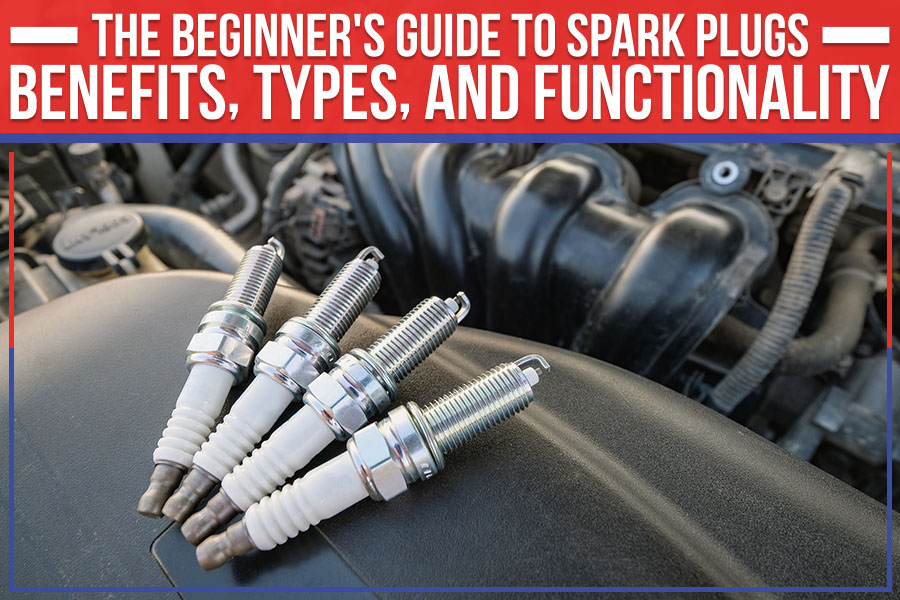
When most people think about spark plugs, they don’t give them much thought. But if you’re a car owner or are in the market for a CDJR, you should know that you can improve your engine performance and overall driving experience by knowing how to change and maintain your spark plugs.
This brief beginner’s guide will cover everything you need to know – from the benefits of changing your plugs regularly to the different types available on the market today. So, whether you’re a novice driver or a seasoned mechanic, read on for the basic info about spark plugs.
The Importance of Spark Plugs
Your car’s is a complex machine that needs different parts working in tandem to function correctly. Spark plugs are an essential component, as they’re responsible for igniting the air/fuel mixture in the cylinders. Over time, however, spark plugs become fouled or damaged, which negatively impacts engine performance.
Signs You’re Spark Plugs Are Damaged
If your vehicle experiences the following issues, it’s likely due to damaged or fouled spark plugs:
- Reduced fuel economy
- Poor acceleration
- Engine misfires
- Rough idling
How Often Should Car Owners Replace Spark Plugs?
It would help if you replaced your spark plugs every 40,000 to 60,000 miles, depending on your vehicle and driving habits.
Benefits of Replacing Your Spark Plugs On Time
There are several benefits to replacing your spark plugs regularly, including:
- Improved fuel economy
- Reduced emissions
- Smoother engine operation
- More power and torque
What Damages Spark Plugs?
Many factors wreak havoc on spark plugs, including:
- Engine oil contamination
- Carbon deposits
- Fuel additives
- Lead deposits
Spark Plug Maintenance Guide
To avoid damage to spark plugs, it’s essential to follow a few simple maintenance tips, including:
- Use the correct grade and type of oil for your vehicle
- Change your oil regularly
- Avoid using lead gasoline
- Don’t use fuel additives unless they’re specifically approved for your vehicle.
How to Clean Spark Plugs?
There are a few ways you can clean your spark plugs, including:
- Use a professional cleaning service
- Remove the plugs and clean them yourself
- Use an aerosolized engine cleaner
DIY spark plugs cleaning –
If you decide to clean your spark plugs yourself, follow these steps:
- Remove the spark plug from the engine
- Clean the porcelain part of the plug with a wire brush
- Clean the metal threads with a thread chaser or tap
- Coat the threads with an anti-seize compound
- Install the plug and tighten it to the manufacturer’s specifications
Consult professionals at Feldman CDJR of Woodhaven, serving Southgate, MI, to learn more about spark plugs and their benefits. Our experienced auto professionals offer a range of vehicle maintenance and repair services, including spark plug maintenance, inspection, and repair.
Schedule a service with our team today, and give your vehicle the boost it deserves.
Finding Your Car’s Trim Level – A Small Guide!

Figuring out your car’s trim level can be tricky. Every company does things differently, and sometimes the information isn’t always easy to find. But don’t worry, we’re here to help! This post will break down how to determine your car’s trim and discuss factors that influence it.
What are Trim Levels, and How Do They Work?
A trim level is simply a way for car manufacturers to distinguish between different versions of the same model. They typically come in ascending order of price and features, starting with the most basic model and ending with the fully loaded option. In between, there are usually a few different trims to choose from.
Each trim level possesses unique features, including things like different engine options, interior appointments, and exterior styling. The term ‘trim’ refers to the cosmetic finishing of the vehicle- like the upholstery, colors, and materials used.
Chrysler Dodge, Jeep, and Ram Trim Levels
The first thing you need to do is identify the make and model of your car. Once you know that, you can narrow down the trim levels.
There are typically four different trim levels:
- LX
- Touring
- Limited
- SRT (Street and Racing Technology)
The LX is the most basic model and usually comes with just the essential features. The Touring model adds a few more luxury appointments, while the Limited is the fully loaded option with all the bells and whistles. The SRT is a high-performance version with a powerful engine and upgraded suspension.
Understanding Vehicle Trim Level
Carmakers often have badges around the car that denote the trim level. For example, a Chrysler 300C will have a “C” badge on the grille and trunk lid. A Jeep Grand Cherokee Limited will have a “Limited” badge on the fenders.
If you can’t find any badges, look for clues to the car’s features. The owner’s manual should also list which features are included in each trim level.
If you’re still unsure, you can always ask a dealership salesperson or your mechanic. They should be able to tell you which trim level you have based on the car’s VIN.
Why Do I Need to Know My Car Trim Level?
Knowing your car’s trim level can be essential for getting repairs or finding replacement parts. The trim level often dictates which parts will fit your car. For example, a Jeep Grand Cherokee Laredo part will not fit a Jeep Grand Cherokee Overland. That’s because Overland has different dimensions and features than Laredo.
The same goes for ordering replacement parts from a dealership or auto body shop. Be sure to give them your car’s trim level to get the right part for your vehicle.
Buyers looking for a new car, Feldman CDJR of Woodhaven, serving Flat Rock, MI, is the perfect place to start your vehicle search.
With an extensive inventory of different makes and models, we have something for everyone. Our team ensures you get behind the car wheel that best suits your needs and personality, so visit us today and let us show you around!
Hybrid Vehicle Tires – How Long Can They Last?
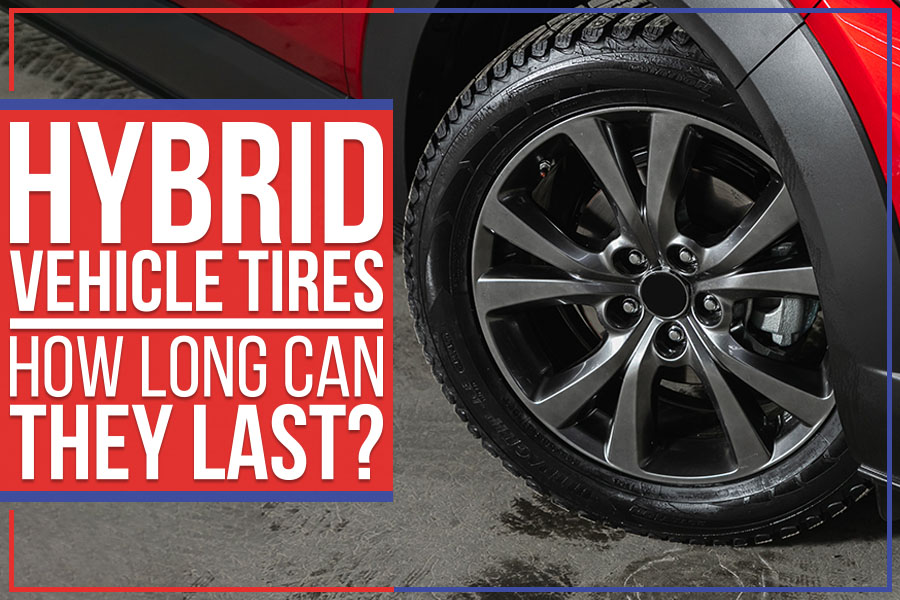
Do you own a hybrid car? If so, you’re playing your part in conserving the environment. But, at what cost? You don’t want worn-out tires after the excessive use they go through under hybrid cars. Many car owners are unaware of the challenges of maintaining hybrid tires. How long do they last, and how often do they need to be replaced? Many questions worry them; here’s a look at a few of them.
What Makes Hybrid Car Tires Different?
Before dissecting the durability of hybrid car tires, it is crucial to understand what separates them from the traditional type. The critical difference is that hybrids utilize two forms of energy to power the car – gasoline and electricity. This results in a more fuel-efficient driving experience, which is why they have become so popular in recent years.
What Affects a Hybrid Tires Performance?
A hybrid’s tire performance is largely based on the terrain used. For instance, if you’re frequently driving on slippery surfaces, you’ll want a tread pattern that offers good traction. Conversely, a ribbed tread pattern would be more beneficial if your daily commute is mostly on smooth roads.
How Long Do Hybrid Car Tires Last?
A hybrid car’s lifespan depends on various factors, but as a general rule, they tend to last longer than traditional automobile tires. This is because hybrids don’t require the same level of power or speed, so there’s less stress on the tire itself. Hybrids are still susceptible to wear and tear, so it’s essential to keep an eye on their condition and ensure proper maintenance.
How to Maintain Hybrid Tires?
One of the benefits of owning a hybrid is that they generally require less maintenance than traditional cars. However, it’s crucial to ensure you use the correct tire type for your car. If you drive in rural areas with dirt and gravel roads, you’ll want a tread pattern that offers good off-road traction. Conversely, a ribbed tread pattern is beneficial if your daily commute is mostly on smooth roads.
How to Tell If Hybrid Tires Need Replacing?
Like traditional car tires, hybrids can wear out over time and may need replacement. One telltale sign of hybrid tire damage is excessive noise. If your ride feels wobbly or unsafe when driving, it is time to replace your hybrid tires.
Another way to determine whether it’s time for new hybrids is to check the tread depth with a penny. If the Lincoln head’s top is visible, it’s time for new hybrids. The general rule of thumb dictates replacing tires frequently, depending on how often you drive them and the type of terrain they encounter.
Hybrid car tires are an excellent investment for drivers who want to save money on gas and help the environment. At Feldman CDJR of Woodhaven, serving Gibraltar, MI, we have a wide selection of hybrid car tires from top brands. Our experts will assist you in finding the right set of hybrid car tires for your vehicle, so stop by our dealership today or schedule a service online.

If you’re a fan of Apple products, you’ve probably heard of CarPlay. It’s a system that allows you to control various functions of your car without reaching for your iPhone.
It’s an exceptional option for those who want the convenience of hands-free operation, and more and more cars are starting to come with it built-in. But what if your vehicle doesn’t have CarPlay? Is it worth investing in an aftermarket version?
Feldman CDJR of Woodhaven can help you answer that question!
What is Apple CarPlay?
This feature, put simply, is iOS for your car. CarPlay is designed to work with your iPhone and operate various car functions through Siri and touch. It’s a fantastic way to stay connected while on the road without ever having to pick up your phone.
You can make plans with your family using phone calls, send texts, get directions, listen to music, and more without ever taking your hands off the wheel.
There are a few different ways to get Apple CarPlay in your car. Many newer models come with it built-in, but if yours doesn’t, aftermarket systems are available. Head unit manufacturers like JBL, Pioneer, and Kenwood offer excellent options to give you the whole CarPlay experience.
Why Install It in My Car?
Let’s look at some of the best grounds for why an aftermarket Apple CarPlay is the way to go if you’re looking to stay connected in your car.
- Save Bucks: Purchasing a new vehicle with CarPlay built-in will likely set you back a pretty penny. Aftermarket systems are much more affordable.
- Ease of Use: One of the finest things about CarPlay is how simple it is to use. If you can use your iPhone, you can probably figure out CarPlay. It’s also seamless to move from your iPhone to CarPlay to get going quickly.
- Siri Serves: If you have “Hey Siri” enabled on your iPhone, you can use Siri hands-free with CarPlay. Whether you want to make a call, send a message, or get directions, Siri can help.
Why Not Install It in My Car?
“Look before you leap” is a wise proverb to go by in many situations in life, and this is one of them. If you’re thinking about getting CarPlay installed in your car, do some research first:
- Siri Surprises: While you can enjoy peace of mind with Siri, the system isn’t perfect. Many commands Siri will not interpret very well, and you’ll have to repeat yourself more often than you’d like.
- Limited Selection: Apple is notorious for a limited selection. This is the case with CarPlay as well. You can’t use just any app you want with CarPlay; only select available apps through the interface.
- Cost and Alternatives: CarPlay-compatible head units can be expensive, some reaching above and beyond $1000. Do yourself a favor and buy a new car with Apple CarPlay built-in if you’ve got the income. Otherwise, you can fare just as happy with your iPhone on a $7 mount.
The Takeaway
Apple CarPlay is a great addition to any car, but it may not be worth the cost or effort if you’re not planning on using every feature.
However, if you are, Feldman CDJR of Woodhaven serves Trenton, MI, with a wide selection of new cars that have Apple CarPlay built in.
Surf our inventory today! You might find your perfect match.

Car cleaning is imperative for its appearance, and it’s also a necessary step in maintaining and improving the resale value of your vehicle. This post will discuss some basic but powerful car cleaning items that you can use to beautify your car at home. These items are affordable and easy to use so that anyone can take advantage of them.
Bucket, Car Shampoo, & Sponge
A bucket, car shampoo, and sponge are the basic articles to give your car a good wash. Fill the bucket with water. Add a little bit of car shampoo. Submerge the sponge in the soapy water and then squeeze it out over one section of your car. Use the sponge to scrub that section of your vehicle in a circular motion. Move to another area and repeat the process until you have washed your entire car. Rinse the car off with a hose or bucket of clean water.
Microfiber Towels
Dry your car off with a microfiber towel. Microfiber towels are safe for all vehicle finishes, and they won’t scratch the paint. They are very absorbent so that they will dry your car quickly. Use one towel to dry the top half of your vehicle and another towel to dry the bottom half. Work in small sections and ensure to dry each area completely before moving on. After your car is dry, use a clean microfiber towel to buff the paint. This will remove any water spots and give the paint a nice shine.
Clean the Interior – Get a Leather & Upholstery Cleaner
Cleaning the inside is just as essential as cleaning the outside. Start by vacuuming the floor mats and seats. Pay attention to the cracks and crevices where dirt and dust like to hide. If your car has leather seats, use a leather cleaner and conditioner to clean and protect the leather. For fabric seats, use a quality upholstery cleaner. Clean all the windows inside and out.
Don’t forget to clean the trunk! Remove any trash and vacuum the floor. Wipe down any hard surfaces with a microfiber towel.
Get a Carpet Cleaner
Investing in a quality carpet cleaner will pay off in the long run. A good carpet cleaner will remove dirt, stains, and odors from your car’s carpets and upholstery. Be sure to read the instructions carefully. Some cleaners require you to mix the cleaning solution with water, while others come with their self-contained solution.
Carpet cleaners typically come with a hose and attachment for cleaning crevices and hard-to-reach areas. Be sure to vacuum the area you plan to clean before using the carpet cleaner.
There you have it! A basic but powerful car cleaning routine that you can do at home to beautify your vehicle. With a few basic items, you can achieve amazing results. So don’t delay; get started today and enjoy the satisfaction of a sparkling clean car.
In conclusion, Feldman CDJR of Woodhaven, serving Westland, MI, is an ideal dealership service center for affordable car services. We offer a wide range of services and can work with you to find the best option for your needs. Our certified car technicians are perfect for you if you’re seeking a trustworthy company. Schedule a service appointment now!
Easy Auto Modifications To Add Value To Your Car

If you’re looking for a way to add value to your car, there are several auto modifications you can make. Some of these are simple and easy to do, while others may require a bit more work. Some can even help increase the resale value of your vehicle.
In this blog post by Feldman CDJR of Woodhaven, we have discussed this topic in detail!
Accessories or Parts
One easy modification is adding some accessories or parts. You can add various things, from spoilers and rims to foglights and seat covers- these additions can give your car a new look or improve its performance and can be a great way to show off your personality.
Color Modification
Another easy modification is changing the color of your car. This can be a great way to update its look and make it stand out from the crowd. It’s an excellent way to personalize your vehicle.
Window Tinting
If you’re looking for a simple way to improve your car’s appearance, window tinting is a great option. It can help protect your car’s interior from sun damage and keep it cool in summer weather. It can also give your car a sleek, professional look.
Performance Modification
If you’re looking to improve the performance of your car, there are several performance modifications you can make. This includes things like changing the engine or adding a turbocharger. These modifications can be expensive, but they can also significantly improve the driving experience.
Things to Remember:
- If you’re thinking about making some changes, be sure to do your research first and choose modifications that are right for your vehicle and your budget.
- Make sure the auto modification doesn’t impact your car’s resale value. For example, a paint job may decrease the car’s resale value but improve the appearance.
- If you’re looking for something a little more substantial, you can always do some auto modifications yourself. You will have to put in a little effort, but it can be a great way to save money. There are various things you can do, from adding a new stereo system to changing the engine.
- No matter what type of modification you choose, it’s vital to ensure that it’s done properly. That means using high-quality parts and taking the time to do the job right. Otherwise, you may end up with a car that doesn’t look or perform as well as you want it to.
Feldman CDJR of Woodhaven, serving Westland, MI, is your one-stop-shop for all things car-related! We have a wide selection of new and used cars, as well as parts and accessories to customize your ride. Plus, our service department has certified experts who will keep your car running like new. Check out our latest special offers before you leave! Explore our service and parts special coupons now!
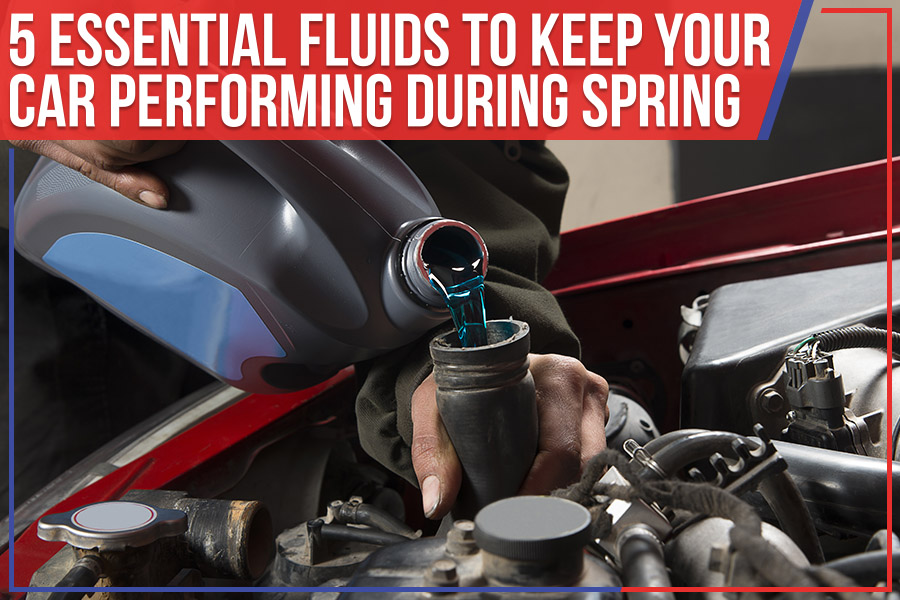
In the rush of getting ready for spring, don’t forget to add a few necessary items to your car-maintenance checklist. Yes, you’ll want to make sure your car is tuned up and in good condition for the warmer weather, but there are also a few essential fluids you’ll need to keep on hand.
Scroll down to read about five essential fluids you’ll want to check on and top up as recommended by the experts from Feldman CDJR of Woodhaven.
Transmission Fluid
One of the most essential fluids for your car is transmission fluid. This slippery liquid plays a crucial role in the smooth functioning of your car’s transmission. It helps to cool and lubricate the gears and prevent wear and tear on the moving parts.
If your automobile has a manual transmission, you’ll need to watch the transmission fluid level and make sure it’s topped up regularly. You don’t have to stress out quite as much about transmission fluid levels. But yes, it’s always a good idea to check them occasionally. Low levels can cause all sorts of problems, from slipping gears to complete transmission failure.
Power Steering Fluid
Power steering fluid is essential for the proper functioning of your power steering system. It helps to cool and lubricate the gears and prevent wear and tear on the moving parts. Low levels can cause the power steering to become stiff and difficult to operate or fail altogether. If you feel like your car is more challenging to steer than usual, it might be time for a power steering fluid check.
Engine Oil
Engine oil is among the most essential fluids in your car. It lubricates the moving parts of the engine, preventing wear and tear. It also assists in keeping the engine cool by transferring heat away from the cylinders. Low engine oil levels can cause excessive friction in the engine, leading to expensive repairs down the road. Make sure to check your engine oil level at least every 5,000 to 7,500 miles, and don’t forget to change it according to your car’s manufacturer’s recommendations.
Car Coolant
As the spring is hitting us with those warm temperatures, it’s essential to make sure your car’s cooling system is in good shape, too. One essential component of the cooling system is car coolant or antifreeze. Car coolant helps keep your engine from overheating by regulating the temperature of the water that circulates through it. It also prevents corrosion and freezing of the water in winter. Remember to check your coolant level regularly and top it up as needed.
Brake Oil
Brake oil is essential for keeping your car’s brakes functioning correctly. It helps to keep the brake pads and discs lubricated, which in turn helps to prevent them from wearing down and becoming damaged. Make sure to check your brake oil level during every car service and top it up as needed.
Ending Note
Now that you know about the essential fluids to keep your car functioning during spring don’t wait any longer. If you’re in Trenton, MI, Schedule a service with Feldman CDJR of Woodhaven and let us take care of everything for you. We want to help make sure your car is in top condition this season so you can enjoy driving without worry. Thanks for reading, and we hope to see you soon!
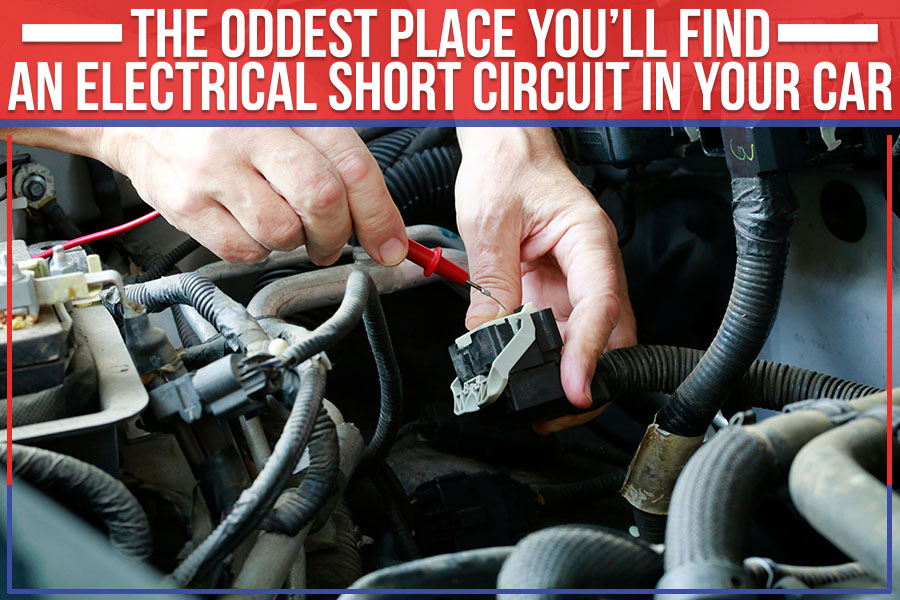
You might think that electrical shorts are only a problem for homes and businesses. Yet, short circuits can occasionally be caused in our cars and can lead to long-term issues that can affect the overall control of the vehicle. They can even be dangerous sometimes, depending on the location of the electrical fault.
Therefore, finding a short circuit in a car is essential if you plan to repair the damage. It’s also important to determine whether it’s safe to drive your vehicle until you can get it fixed at Feldman CDJR of Woodhaven, Belleville, MI.
This blog post will discuss some familiar places; where shorts occur in cars and what you can do about them!
Common Short Circuit Places in Your Car
There are a few familiar places where you might find an electrical short in your car. The most common place is the plug that connects to the battery. These plugs can become defective over time, creating a short circuit.
Another commonplace for shorts is in the wiring harnesses that run throughout the car. If a wire corrodes or comes into contact with another conductor, it can create a short circuit. Hence, electricity will flow through the circuit rapidly. As a result, the wires and other components in the circuit will get heated up.
Another commonplace for shorts to occur is within the fuse box. If a fuse blows, it can create a short circuit in the system.
Odd Places for Short Circuit in your Vehicle:
Short circuits can also occur in less expected places, such as the car’s computer. If there is an effective plug wire, it may cause a short circuit. The same is true for connectors, switches, and terminals. Any place with a potential for two bare wires to touch can cause a short circuit.
Here’s a list of some places where a short might occur:
- Fuse box
- Wiring harness
- Plug wires
- Connectors
- Switches
- Terminals
- defective plugs
- broken insulation on wire
- Engine wiring
- Spark plugs
- Coil packs
One of the most dangerous types of short circuits is circuit overload. It happens when too much electricity tries to flow through a circuit at once. The excess electricity will cause the wires in the circuit to heat up and potentially start a fire. It’s essential to know about these dangers and know how to find a short in a car before you start repairing any damage.
Finally, shorts can also occur in the ignition system. If the wires or connectors become corrupted or damaged, it can create a short circuit that will prevent the car from starting.
The consequences of an electrical short circuit can be severe. In addition to causing damage to the vehicle, they can also create a fire hazard. It’s essential to know how to find and fix a short circuit in your car so that you can keep yourself and your passengers safe.
If you experience an electrical problem with your vehicle, it’s always best to consult a professional mechanic at Feldman CDJR of Woodhaven, serving Belleville, MI.
They will analyze the issue and repair it for you. Schedule a service today!
How Do You Read Engine Oil Grades?
Reading your engine oil grades can be a little confusing, especially if you’re not familiar with the terminologies. But don’t worry, we’re here to help!
In this post, we’ll explain what each of those numbers and letters means, so you can make sure to use the right kind of oil for your car.
What is the Society of Automated Engineers, and What Does it do?
This organization is responsible for determining the specifications of motor oil and testing it. They work with other groups like ASTM (American Society of Testing Materials), API (American Petroleum Institute), and SAE International to ensure that you meet all their standards.
What is Viscosity Rating?
Viscosity rating refers to how thick or thin the oil is. The higher the number, the thicker the oil will be. This rating is critical because it affects how well the oil can flow and lubricate your engine.
Oil grades are mentioned in the format.
xx-w-yy
xx refers to viscosity during cold, and yy refers to viscosity during warmer temperatures. The w stands for winter.
The most common oils are 0W-20, 0W-30, and 05W-30. The “0” means that the oil has a low viscosity when cold, and the “20” or “30” means that it has a high viscosity when hot.
You can also find oils with ratings like 20V-50 or 30V-70, which means they have a higher viscosity when cold than normal operating temperatures. Oils with these ratings are used in more extreme conditions where the engine is subject to colder temperatures or more severe loads.
What Engine Oil Should I Choose for my Vehicle?
This will depend on the type of vehicle, driving habits, and climate.
- Thinner oils are best for high-performance cars that frequently drive in warm weather conditions.
- Thicker oils are better suited for vehicles that spend most of their time idle or operate in cold climates where temperatures regularly fall below freezing.
You can also consult your car’s owner’s manual to see what viscosity is recommended. Many automakers have oil specifications listed in the maintenance section. If you don’t have an owner’s manual, many automotive websites list this information.
How Frequently Should I Change my Engine Oil?
This answer varies depending on the type of engine oil, driving habits, and climate.
- Many carmakers have oil-change intervals at every 5000 miles or every six months.
- If you drive in a high-performance car that frequently races or drives in warm weather conditions, you may need to change your engine oil more often than the average driver.
- If your car spends most of its time idle or operating in cold climates where temperatures regularly fall below freezing, you may need to change your engine oil less often than the average driver.
So now that you know a little more about engine oil grades, what are you waiting for? Schedule a service at Feldman CDJR of Woodhaven. serving Monroe, MI, today and enhance your vehicle’s performance. We’ll make sure your car is running smoothly – no matter what kind of motor oil you choose!
Selecting Among The Automatics: DCT Vs. CVT Vs. AMT
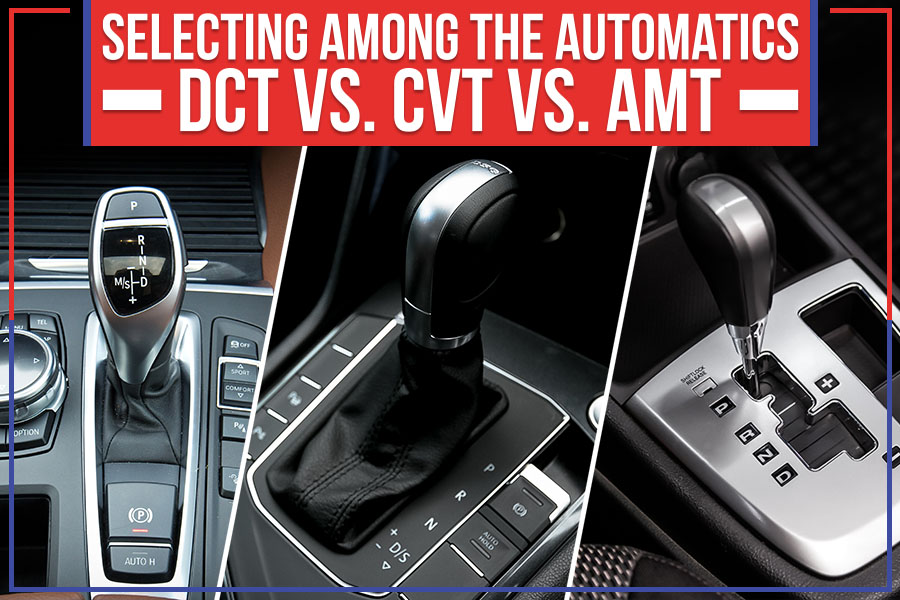
When buying a brand-new automatic vehicle, we are literally spoilt for choices and go AWOL over the facade of features without giving much thought to the engine or transmission. Okay, well, the machine does get attention, but one hardly looks beyond the usual automatic. regarding the transmission
Every car is built to exceptional standards, features, & capabilities, but it can get frustrating to decide what rocks your boat. The transmissions alone are confusing, so Feldman CDJR of Woodhaven will help clarify what things matter!
How Does an Auto Work?
The auto’s gearbox is complicated compared to a manual, but what it lacks in simplicity, it makes up in performance. In an automatic, the engine is coupled to a torque converter engaged by a gear system to go onto the transmission gears.
We’ll skip the extremely technical introduction to state that the car’s ECU has a preset of various speeds that make way for your auto’s gear speeds. The computer does the clutch work for you.
Types of Automatic Transmissions:
Automated Manual
The AMT ranks among the most successful & widely used automatic transmissions globally. Although a weaker system compared to the following types, the AMT offers a shift between auto & manual drives, so it is powerful for hauling; hence it’s used in SUVs, hatchbacks, and Class 6 – 8 trucks. It’s a good choice for a budget car, as it is fuel-efficient. However, it can falter on inclines unless you engage the manual mode & a handbrake.
Otherwise, the AMT is perfect for money-saving buys & value.
Dual Clutch
This transmission is complex, but it is heavy and packs a lot of torque required by racer-class & high-performance cars. The DCT utilizes a set of even & odd gears to provide a broader range of gear ratios, with the dual-clutch contributing to a smooth transition between gear speeds. The transmission is renowned for its jerk-free gear transitioning and high throttle. If you are into a high-end vehicle, you better talk about a DCT.
If you are into luxury cars with performance, economy, and reliability, you will do well to invest in a DCT.
Continuous Variable
Car enthusiasts might compromise on an auto-manual, but the term for CVT is ‘soulless’. The CVT is a gear-free transmission that uses a dual pulley & belt system to provide an infinite gear ratio of speeds. You will never feel the gears kicking in, so they make for a smooth transition. But try to rev on, and you will not get that ‘sound’ that a manual makes when you press the pedal. It’s optimal for luxury cars that focus on the quality of the drive. It does tend to make a droning sound, but if you have your heart set on a CVT drive, you won’t mind.
The Verdict?
Well, we deal in so many transmissions, so many auto beauties, that it would be wrong to discriminate. At Feldman CDJR of Woodhaven, serving Westland, MI, we love our CDJR cars all the same. However, we welcome you to check out our new, used & CPO inventory & book a test drive to get the feel of every transmission on our turf.
Whether it’s a DCT, an AMT, or a CVT; we offer flexible payment options, so get prequalified. Call us for more information on available models & custom trim options.
Connect with us


